Crystal Correspondence Atlas
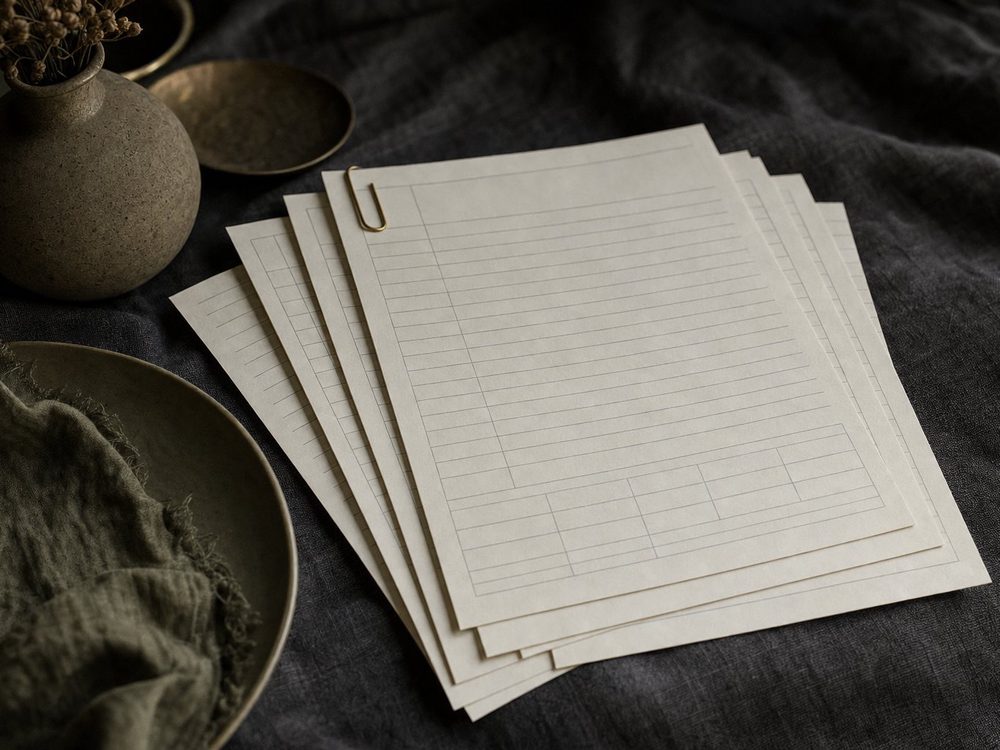
Crystal literature tends to publish correspondence tables as though they were mineralogy. This atlas separates the two on every page. The left column carries verifiable data — chemical formula, Mohs hardness, crystal system, typical habit, common localities, and the standard diagnostic tests. The right column carries the correspondence tradition, attributed where an attribution exists and marked as modern where it is modern. Nothing is presented as older than it is.
Forty-two minerals are covered, grouped by family rather than alphabetically, so that quartz varieties sit together and the differences between them become legible. Each family opens with a short note on formation, because formation explains most of what the tradition later attributed to the stone: hardness, cleavage, and inclusion patterns determine how a mineral could be worked, traded, and worn.
What’s inside
- Forty-two mineral entries across nine families, each with identification data and correspondence tables side by side
- Family introductions covering formation environment, typical habit, and the varieties commonly confused with one another
- Diagnostic key: hardness testing, streak, cleavage against fracture, and the seven substitutions most often sold under a false name
- Sourcing notes, including which materials are routinely dyed, heat-treated, or reconstituted
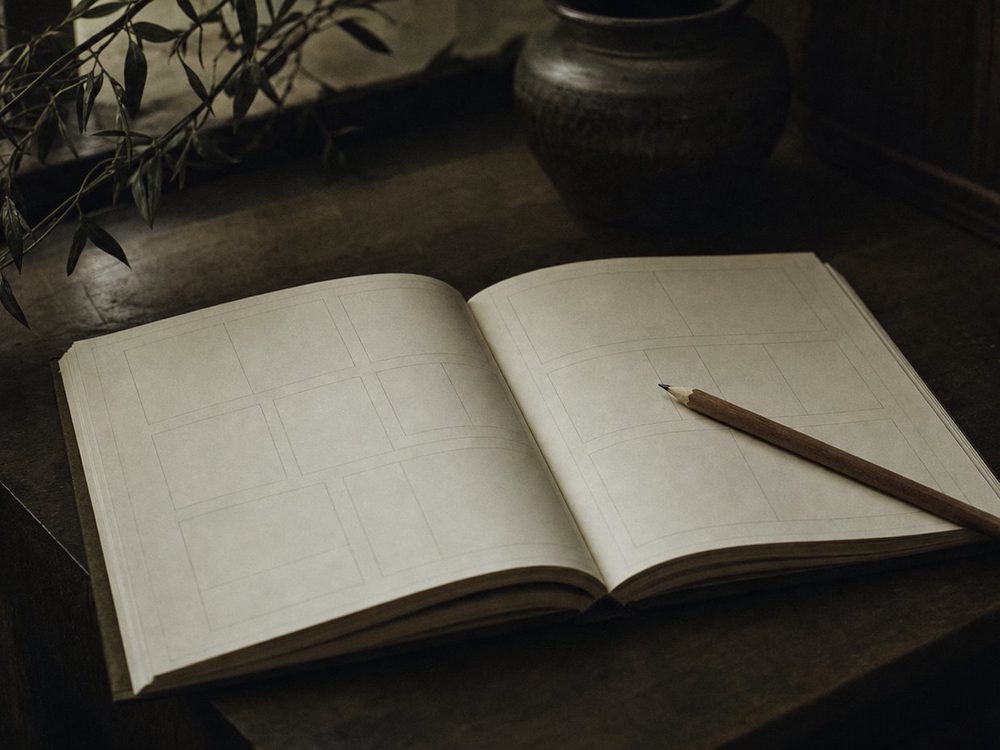
- Twelve grid layouts drawn to scale, with the stated intent and the historical provenance of each arrangement
- Care and storage table: which minerals are water-soluble, light-sensitive, or friable
Who it’s for
Practitioners who want to keep using correspondence tables without pretending they are geology, and anyone buying minerals who would prefer not to be sold glass. It is also the reference used in the free crystal library, so the two can be read together.
Format and updates
Digital PDF, 40 pages, DRM-free. Set for A4 and US Letter, with the diagnostic key formatted as a detachable two-page insert. Mineralogical data is checked against standard handbooks and each entry carries its sources in the endnotes. Free updates to future editions; new families are added by revision rather than as a separate title.