Printed Lenormand Reader
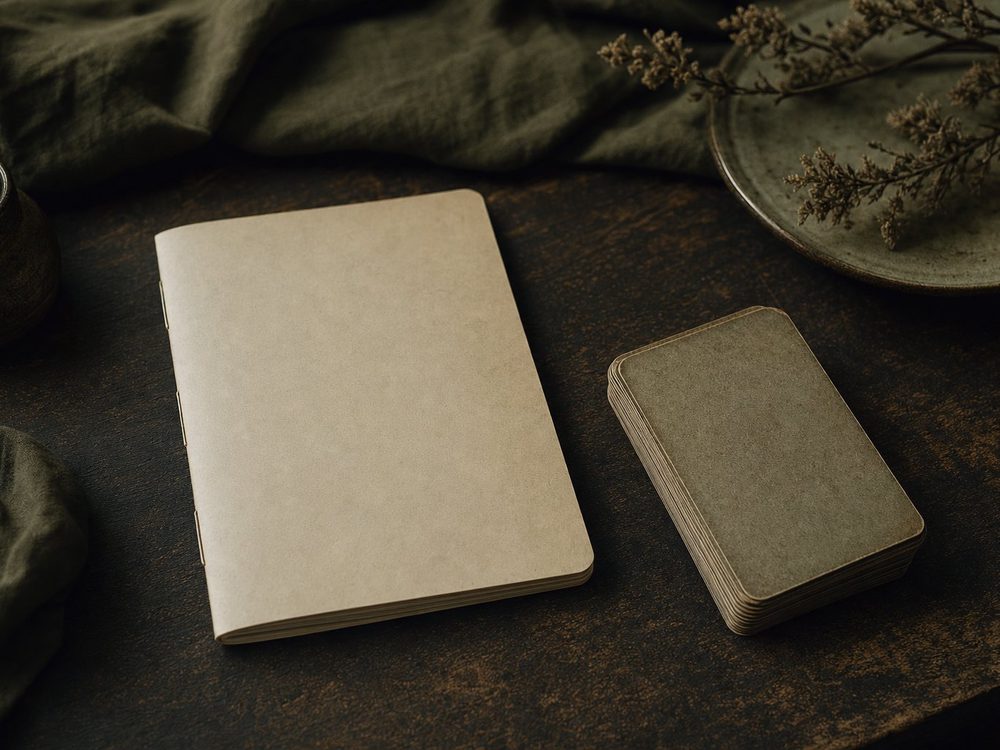
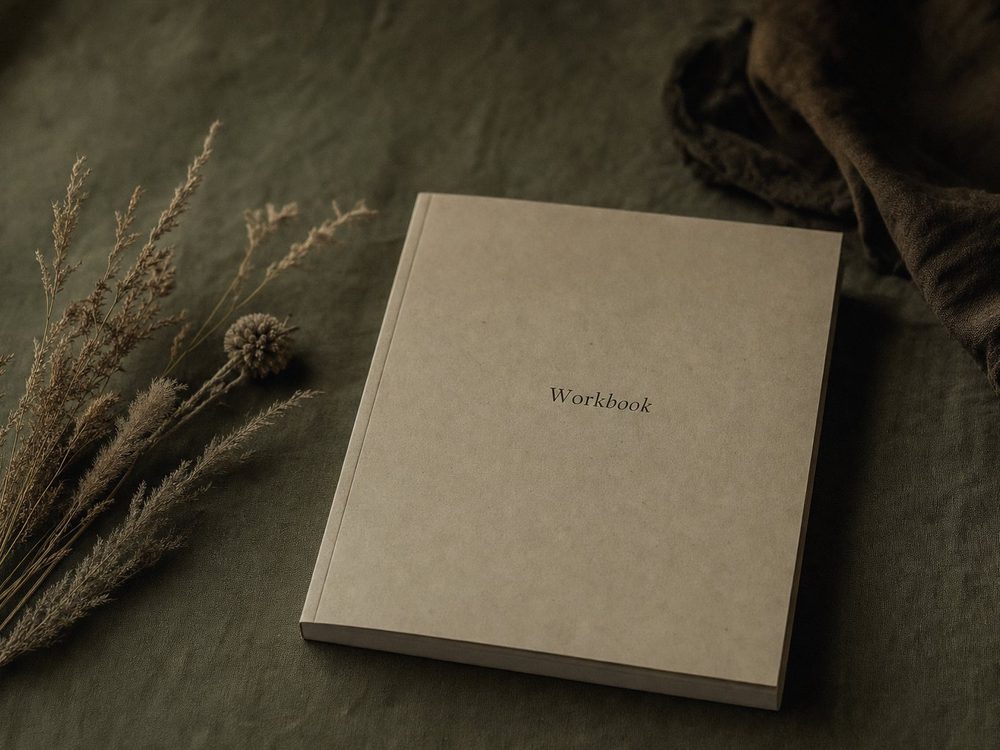
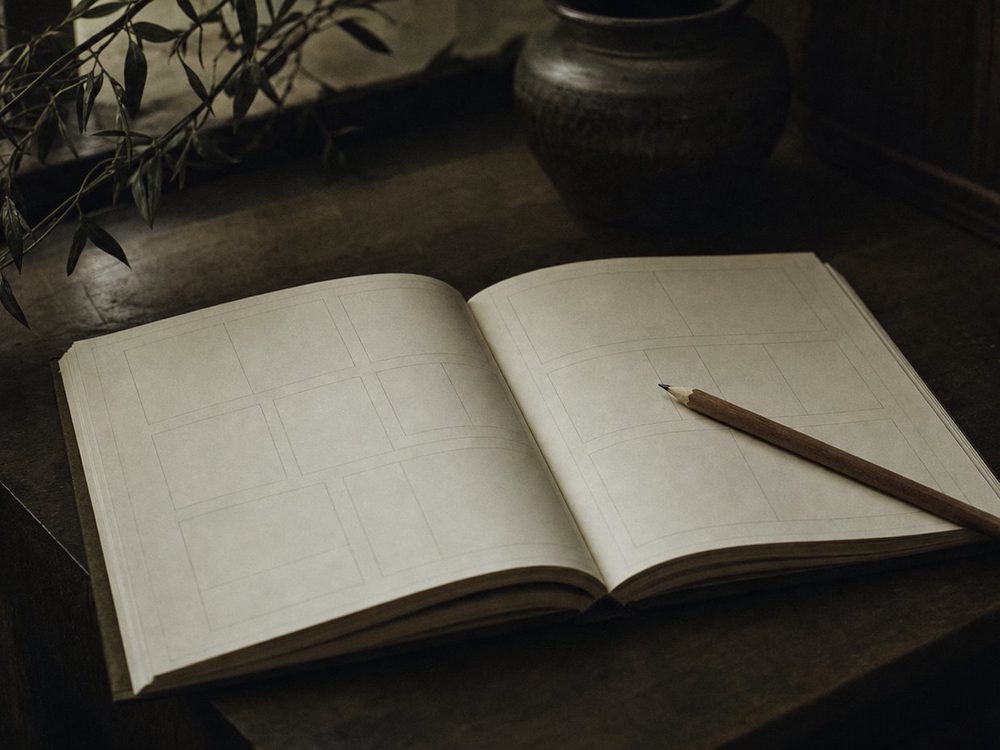
The reference material from the Lenormand library, edited into a booklet you can keep beside the cards. Ninety-six pages, section-sewn so that it lies flat open at any page, printed in two colours on a lightly toned uncoated stock. It exists because a screen is a poor companion to a thirty-six card tableau: you need to look at the spread, check one card, and look back without a device sleeping, scrolling, or lighting the room.
Content is the edited library rather than a new text. All thirty-six cards are set to one template — keywords, core statement, playing-card insert, facing, distance behaviour, and two pairing notes — one card per spread of two facing pages, so no entry ever breaks across a turn. The reference sections that follow cover the material a reader needs mid-spread and nothing else.
What’s inside
- Thirty-six card entries, each on a single two-page spread, with keywords, core statement, insert card, and facing
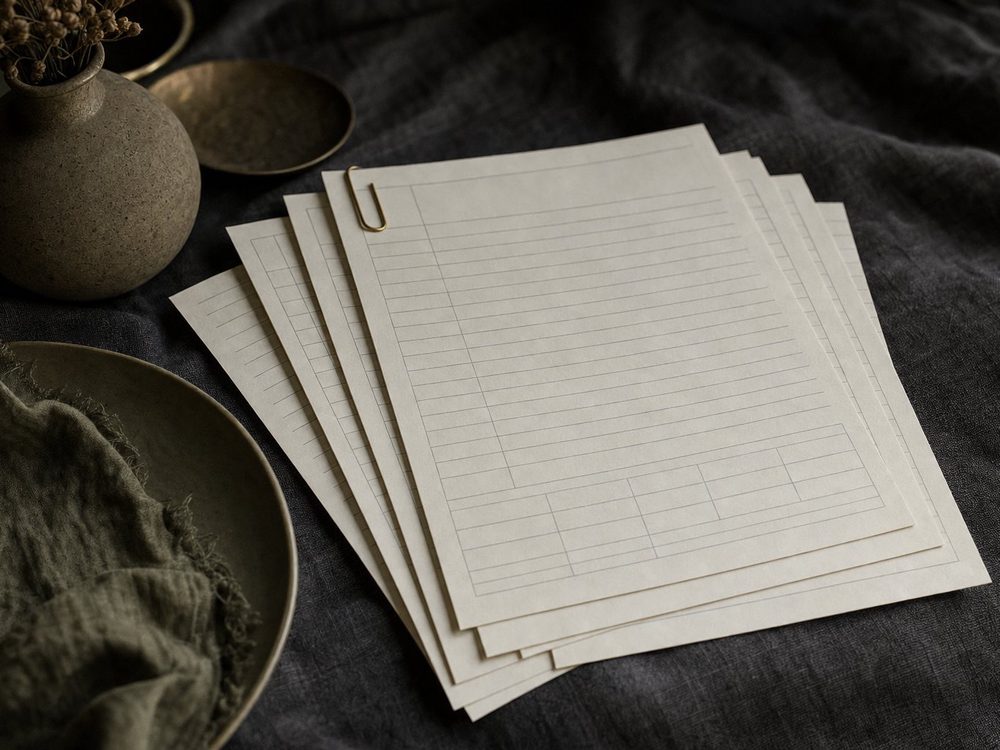
- Distance and proximity tables, printed as a fold-out so they remain visible while reading
- Directional facing index for all thirty-six cards, with the modification each facing applies to a neighbour
- The five Grand Tableau passes — row, column, diagonal, knighting, mirroring — with a numbered house chart
- Pairing index: the ninety pairings most often needed, cross-referenced by number
- Two ribbon markers and a blank annotation gathering at the back
Who it’s for
Readers who work at a table and prefer paper, teachers who want a single object to hand a student, and anyone who has already used the digital workbook and wants the reference in a durable form. The booklet is a reference, not a course; the exercises live in the Lenormand Positions Workbook.
Format and print run
Printed booklet, 96 pages, 148 × 210 mm, section-sewn with a soft cover and foil-blocked spine. Produced in a limited run at a small press; when a run is exhausted the title is listed as unavailable until the next printing rather than reprinted on demand. Ships worldwide, dispatched within five working days. Each copy carries its print run number on the colophon.